Carving Memory in Code and Grain
Join us as we explore Digital Craft Preservation: CNC and 3D Scanning for Alpine Wood and Textile Arts, revealing how precise capture, careful milling, and community-led storytelling can protect techniques shaped by altitude, weather, and time. From tiny loom gestures to knife marks in larch, we translate fragile knowledge into enduring, shared resources that invite participation, learning, and respectful revitalization across valleys and generations.

From Peaks to Pixels
Centuries of Alpine woodworking and textile mastery endure in carvings browned by hearth smoke and fabrics weathered by crisp mountain air. Translating this embodied intelligence into digital form demands sensitivity, patience, and good boots. We start by honoring lineage, then trace its gestures into datasets that remain flexible, verifiable, and teachable without flattening the soul carried by knots, warp, and whispered counting rhythms.
Toolchain Essentials for Field and Workshop
Backpack Lab Setup
Pack a carbon tripod, compact turntable, soft brushes, microfiber cloths, gaffer tape, and a foldable diffuser that doubles as snow shade. Add power banks, spare SD cards, silica gel, a color target, and metric scale bars. A thin tarp protects artifacts from damp benches, while notebook pages track lens focal lengths, exposure, GPS, temperature, and owner permissions. Lightweight discipline turns alpine chaos into reproducible, respectful capture.
Material-Aware Workflows
Wood invites raking light to reveal grain and tool marks, whereas textiles prefer cross-polarized illumination to control sheen and moiré. For fine wool, increase depth of field and avoid compressing fibers with stands. For resinous larch, reduce heat and wipe gently between passes. Keep profiles per material, including white balance and sharpening notes, so future technicians repeat your exact steps without unintentional interpretation creeping into preservation data.
Data Stewardship That Lasts
Store masters as non-proprietary meshes and dense point clouds, like PLY, OBJ, and glTF with embedded metadata. Maintain readme files describing capture conditions, rights, and cultural protocols. Use checksums, redundant drives, and geographically separated backups. Version significant edits rather than overwriting. When sharing, attach clear licenses and provenance, and when possible, register DOIs so educators, curators, and families can reliably cite and trace origin stories.
CNC as a Conservation Partner, Not a Replacement
CNC routing and micro-milling assist with delicate reconstructions and teaching aids without pretending to be the artisan’s final touch. Machine paths respect fragile fibers and early tool decisions, stopping short to invite hand finishing. Used thoughtfully, these processes reduce risk on originals, create practice pieces, and craft fitted replacements that serve communities while keeping signatures, quirks, and human breath audible in the last decisive strokes.
Learning Bridges for Apprentices and Elders
Bridging software fluency and embodied skill requires co-teaching, snacks, and patient translation. Workshops pair code-savvy students with elders whose counting songs and tool grips carry nuance no manual explains. Digital twins, tactile study boards, and annotated time-lapse sequences let learners practice safely, while elders critique what truly matters: pressure, pace, and pauses. Together, both sides keep heritage lively, adaptable, and generously shared across dialects and devices.
Ethics, Ownership, and Community Benefit
Every pixel and toolpath represents lived culture. Capture proceeds only with informed consent, equitable decision-making, and clarity about access, reuse, and revenue. Communities choose custodians, set permissions, and decide what remains private. Licenses reflect cultural protocols as much as legal frameworks. Documentation travels with models, preventing orphaned files. Preservation becomes a circle, not an extraction, sustaining pride, livelihoods, and respectful curiosity rather than unintended commercialization.
Consent‑Led Capture Practices
Before scanning, facilitators host a conversation explaining risks, benefits, and boundaries in plain language, with interpreters if needed. Participants decide what to include, how to attribute, and who stewards keys. Sign-offs travel with files. Refusals are honored without pressure. This slow, accountable approach fosters trust, prevents harm, and teaches younger technologists that responsibility is a craft too, demanding revisions, humility, and care with every new project.
Licenses That Respect Lineage
Beyond standard Creative Commons, cultural labels clarify protocols: attribution phrasing, non-commercial guardrails, and situational restrictions for sacred motifs. Metadata embeds community ownership statements and contacts for future requests. When institutions host, agreements require context pages and linkbacks to local groups. Clarity reduces misuse while enabling classrooms and makerspaces to learn in alignment with community intent, replacing extractive patterns with relationship-centered collaboration and transparent, reversible commitments.
Storytelling That Keeps Hands Busy
Augmented Trails Through Craft Landscapes
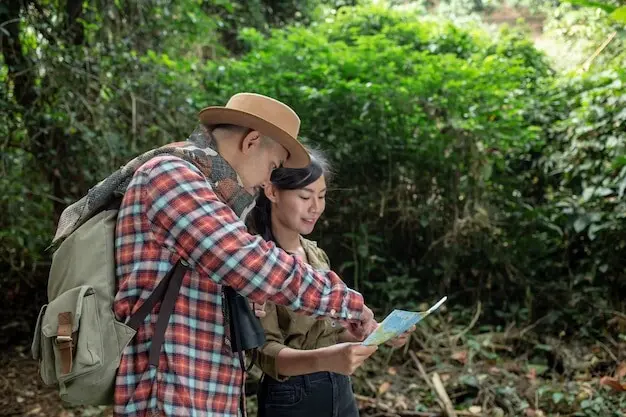
Along a ridge path, signs invite hikers to scan a code. On screens, carvings align with chapels in view, and weaving patterns overlay grazing meadows, explaining dyes from local plants. Audio from residents describes festivals where these objects gather stories. The walk blends altitude with insight, encouraging respectful visits to workshops and inspiring donations, classes, or simple promises to carry these skills home and forward.
Exhibit‑in‑a‑Crate for Any Village
A rugged case contains CNC reproductions, swatches, a mini projector, and printed guides. Volunteers assemble a pop-up exhibit in a school gym or town library within an hour. Visitors compare originals’ photos to touchable models, then stitch or carve small samples under supervision. The kit’s clear scripts reduce staff needs, while modular panels adapt to local dialects and motifs, turning remote communities into confident, rotating hosts.
An Interactive Pattern Atlas
Online, a searchable atlas connects edelweiss rosettes, pinecone spirals, and herringbone bands to villages, makers, and seasons. Vector reconstructions sit alongside high-resolution meshes and printable practice sheets. Educators build lessons; makers remix within agreed permissions; families add names and notes. Filters surface relationships, revealing how a border traveled valleys with herders. The atlas becomes a living map where curiosity naturally turns into stewardship and skill.
Getting Involved and Sustaining the Work
Your curiosity can power batteries, annotate meshes, or mentor from afar. We welcome hikers who can steady tripods, researchers who love metadata, carvers who sense grain, and weavers who count with song. Join collection days, contribute scans, or test kits in classrooms. Subscribe for field notes and invitations to seasonal residencies. Share feedback openly, celebrate small wins, and help keep these mountains’ making traditions warm, generous, and evolving.
All Rights Reserved.