Walk Slowly, Climb Kindly
Today we explore slow mountain tourism—off-grid refuges, analog wayfinding, and minimal-impact infrastructure—by celebrating patient footsteps, humble shelters, and skills that place people within, not above, the landscape. Expect practical wisdom, tender stories, and actionable ideas that value silence, stewardship, and human connection. If these paths call to you, share your intentions, ask questions, and subscribe so we can keep walking together, learning to leave fewer marks while gathering richer memories under changing skies.

Pace That Matches the Mountain
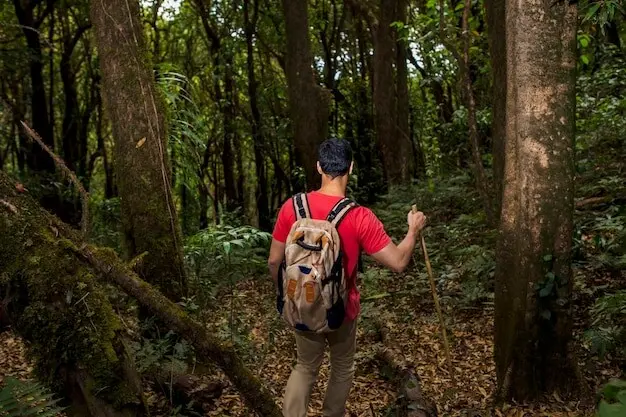
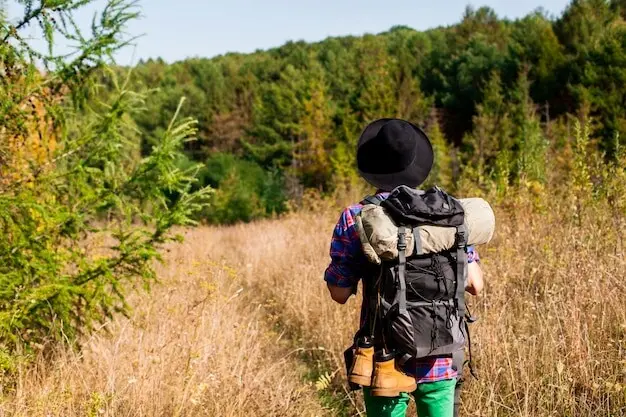
Moving slowly in steep country is not laziness; it is literacy. A measured cadence lets lungs harmonize with thin air, knees negotiate gradients wisely, and eyes linger long enough to read rock, snow, and shadow. By releasing urgency, you gain awareness of microclimates, trail texture, and your companions’ moods. Share how you build intentional pauses into long ascents, and consider subscribing to receive reflective itineraries that respect weather windows, daylight arcs, and the honest limits of human attention.
Off-Grid Shelters, Warm Hearts
Mountain refuges without plugs or pipelines teach comfort without excess. Solar panels whisper, wood stoves glow, and bunkrooms invite stories that no algorithm can sort. These places thrive on shared chores, careful water use, and quiet nights that reset attention. If you’ve stayed in a hut where dawn coffee tasted like gratitude, tell us what made it special. We’ll publish practical etiquette and packing checklists so first-time visitors arrive ready to contribute, care for resources, and rest deeply.
Finding the Way Without a Screen
Map Literacy for Real Terrain
Contours sing to the practiced eye. Learn to hear steepness as spacing, gullies as converging lines, and benches as gentle ellipses. Compare map symbols to actual textures underfoot: talus, krummholz, heather, or snow. Photograph annotated pages after planning, then stash them safely. Tell us which scales and publishers best matched your region. We’ll assemble a reader-sourced atlas of reliable sheets, durable inks, and protective cases, helping more hikers step into valleys already fluent in paper-born landforms.
Compass, Declination, Decision
A good bearing begins with an honest declination and a steady hand. Practice taking sights between trees, bracketing routes across scree, and pacing consistently despite fatigue. When clouds erase landmarks, a simple line and calm breathing keep panic small. Share your favorite nighttime navigation drill or a clever mnemonic that sticks during stress. We’ll compile these into compact cards you can print, laminate, and tuck beside your whistle, ready for low-visibility moments that demand thoughtful choices.
Reading Sky, Snow, and Stone
Cloud height, wind smell, and snow texture reveal more than any notification. Learn to spot graupel warnings, cornice shadows, and saturated slopes ready to slide. Track rock color shifts after rain to anticipate slick holds. Tell us what subtleties you trust when forecasts disagree. We’ll highlight field notes from guides and shepherds, honoring observations gathered over decades. Skill grows where curiosity meets patience, turning every rest stop into a classroom with sky, snow, and stone as teachers.
Building Lightly, Preserving Wildness
Minimal-impact infrastructure favors small footprints with long lifespans. Think stone steps that braid into bedrock, humble drainage dips that save trails from gully wounds, and boardwalks that protect fragile tundra roots. These choices are slower, wiser, and often more beautiful. Share projects you’ve helped with or admired in the field. We’ll feature maker notes, diagrams, and tool lists so volunteers can join local crews, strengthen paths with grace, and keep the mountain’s voice louder than our engineering pride.
Footprints That Fade by Morning
Leave No Trace begins before packing, ripens with every footfall, and lingers as habitat left unbothered. Step on durable surfaces, widen not a trail by skirting mud, and cradle wildflowers with distance, not fingers. Tell us how you’ve politely coached friends toward gentler habits. We’ll share scripts, humor, and signage ideas that invite better choices without scolding. Culture shifts fastest when kindness leads, and the ground answers by looking the same tomorrow as it did yesterday.
Quiet Infrastructure, Honest Materials
Local rock, seasoned larch, and woven willow blend with slope and season better than bright synthetics. A good tread sheds water, holds soil, and whispers under boots. If you’ve helped set a step or scribe a drainage angle, describe your technique. We’ll curate lessons from crews who carry more shovels than screens, emphasizing durability, repairability, and beauty that disappears into the hillside. Your notes may inspire a reader to pick up a mattock and learn by doing.
Seasonal Closures as Care
When paths sleep for thaw or wildlife, honoring closures is not bureaucracy—it is tenderness. Calving grounds, nesting ledges, and saturated soils heal only if left alone. Share how you plan alternatives that still feel meaningful when a favorite route rests. We’ll publish adaptable itineraries and communication tips for inviting friends to appreciate patience. Strong stewardship learns to say not now, trusting that waiting seasons bring safer crossings, healthier herds, and trails that welcome future feet with resilience.
Paper Plans and Human Check-Ins
A route card turns hope into clarity: start time, waypoints, contingencies, and when to call for help. Leave copies with a hut keeper or trusted friend. Sign logs legibly. Review plans together at breakfast, not halfway up a couloir. Share your favorite template or checklist. We’ll assemble open formats you can adapt to region and season, reinforcing a simple truth: accountability works best when eyes meet, pens move, and promises travel home before footsteps leave the valley.
Forecasts You Can Feel
Pair official bulletins with barometer swings, dew on grass, and the behavior of ravens riding thermals. Build a habit of weather journaling so patterns become familiar companions, not surprises. Carry a tiny radio for mountain stations. Tell us how you translate probabilities into go, slow, or no-go decisions. We’ll present case studies where humility won the day, demonstrating how to stitch data, sensation, and group dynamics into decisions that trade bravado for long, contented seasons outside.
Fix It, Don’t Fling It
Field repairs keep micro problems from becoming epic retreats. Needle and dental floss, tenacious tape, and a multitool can save a pack, boot, or stove. Practice patches at home so camp fixes feel confident. Share clever hacks you’ve tested in rain or with cold fingers. We’ll compile a repair kit guide that favors multipurpose items and teaches triage: what to mend now, what to limp with, and when to turn back kindly, protecting people and places alike.
Safety Rooted in Skills, Not Signals
Redundancy lives in notebooks, whistles, and trained companions. Before departure, write route cards, establish turnaround times, and share intentions with someone who cares enough to notice silence. Bring analog backups for light, fire, and navigation. If you’ve balanced caution with curiosity during a tricky traverse, tell us how you chose. We’ll feature decision frameworks, lightweight practice routines, and printable prompts so safety feels like creativity under pressure, not fear, guiding calm judgment when batteries fade or plans change.
Local Prosperity Through Gentle Travel
Slow journeys can feed small economies without swallowing them. Choose guesthouses that hire neighbors, cheeses made by dawn workers, and guides who grew up naming ridgelines by childhood jokes. Arrive by train when possible, then shuttle lightly. Share artisans, farms, and routes where your spending felt like gratitude, not extraction. We’ll map community-led options and publish seasonal calendars, helping readers visit kindly, support resilient livelihoods, and return home with stories stitched to names, not hashtags fading overnight.
Buy Nearby, Taste the Valley
A loaf from the village oven, a wedge matured in cool stone, and a hand-forged buckle all carry place into your pack. Spending near the trailhead multiplies dignity more than discounts do. Tell us about makers whose craft anchored your journey. We’ll feature interviews, shop hours, and shoulder-season tips, guiding readers toward purchases that travel light yet matter deeply. When taste and texture remember the path, souvenirs stop being objects and start becoming edible, useful gratitude.
Arrivals by Rail and Patience
Trains and buses braid time differently than cars, inviting window-gazing and spontaneous conversations about snow lines or mushrooms. Plan connections with a margin for delays and a book you cannot rush. Share how you pack to pivot if a funicular rests or a shuttle fills. We’ll publish packing lists, transfer tactics, and scenic detours you can savor without engines. The journey becomes part of the mountain’s welcome, lowering noise while raising the satisfaction of each slow approach.
Stewardship You Can Join
Volunteer days with hut associations or trail crews teach the mountain’s grammar through tools and teamwork. One weekend moving rock can change how you walk forever. Share opportunities, photos, and lessons learned about safe lifting and group pacing. We’ll maintain a calendar of efforts across ranges, plus beginner-friendly roles that fit many bodies and schedules. When many hands carry a little, paths endure gracefully, and gratitude returns every time boots meet the step you once helped set.
All Rights Reserved.