Rivers, Stone, and Sun: Resilient Power for High Mountain Communities
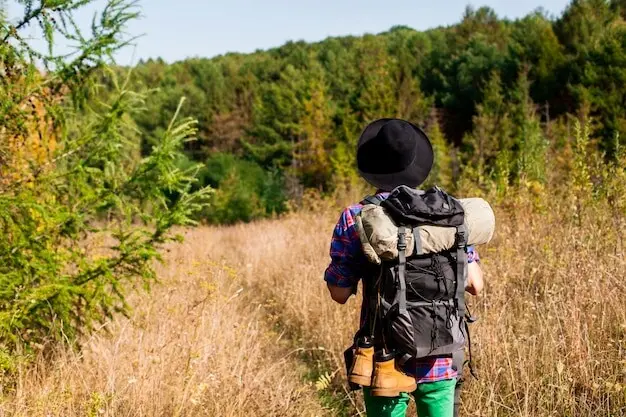

High in the Alps, independence begins where streams tumble and stone walls hold warmth. Today we explore micro-hydropower and passive energy for remote Alpine villages, blending engineering with place-based wisdom, reducing diesel dependence, and inviting your questions, stories, and experiments. Join us, subscribe, and help shape resilient, neighbor-powered futures.

Reading the Mountain Waterscape

Before pipes and turbines, knowledge flows first. Survey creeks through seasons, walk the banks with shepherds, and map head, flow, and access without disturbing fragile soils. Your best design grows from careful observation, shared notes, and humble respect for water, snow, rock, and community memory.

Finding Head and Flow Without Guesswork

Use simple, dependable methods: timed-bucket tests on small rills, V‑notch weirs for steadier brooks, and staff gauges you can read after storms. Cross-check head with barometric apps but verify by hose-level or survey. Record extremes, not only averages, because turbines smile at consistency and suffer surprises.

Snowmelt, Glacial Pulses, and Dry Spells

Alpine flows swing with sun and shadow. Expect roaring afternoons during melt, quiet nights when ice grips, and autumn weeks when springs alone sustain life. A year of notes reveals diurnal pulses and sediment bursts, guiding intake elevation, screen sizing, and whether hybrid storage must bridge lean months.

Stewardship, Rights, and Neighbors Upstream

Creeks cross boundaries long before paperwork notices. Sit with landholders, mill keepers, and foresters to trace customary uses and rights. Co-design maintenance paths, fish-friendly bypasses, and water-sharing rules. Agreements built over tea and patience endure better than any fence, and prevent conflicts during precious dry periods.

Smart Micro-Hydro Engineering for Steep Valleys

Steep gradients are generous when treated wisely. Choose machinery that loves head more than flow, align penstocks like mountain paths avoiding frost pockets, and let intakes sip, not gulp. Engineering here respects gravity, stone, and storms, delivering reliability without noise, glare, or oversized scars on the landscape.

Warm Shells: Insulation, Airtightness, and Thermal Bridges

Start with the attic and roof, where heat escapes fastest in thin air. Add continuous insulation outside structural frames, wrap rafters, and tape every seam you can see or feel. Break bridges at balconies, sills, and eaves, then test with blower doors until drafts become mountain legends.

Capturing Winter Sun, Blocking Summer Glare

South-facing glazing harvests short, brilliant days when snow reflects light indoors. Use high-performance frames and triple panes, pair with insulated shutters for nights, and add modest exterior shades that tame July glare. Place windows for views, but remember sunlight is fuel you can choreograph across hours.

Breath Easy: Ventilation With Heat Recovery and Natural Assist

At altitude, fresh air should not mean frozen rooms. Balanced ventilation with efficient heat recovery keeps lungs happy and walls dry, while sheltered inlets and short, insulated ducts resist frost. On temperate days, stack effect and trickle vents offer gentle backup without fans or humming boxes.

Passive Energy That Loves Thin Air

Comfort without burners begins with the building itself. Orient walls and windows for winter sun, thicken insulation like a good wool sweater, and close air leaks as carefully as a climber knots rope. Thermal mass in stone and clay holds days’ gifts through starry, brittle nights.

Storage, Microgrids, and Smoothing the Seasons

Electricity and heat arrive in bursts on mountains. Tie water, sun, and storage with a simple, transparent controller, then let households see their own curves. When people watch flows, they naturally shift chores, flatten peaks, and discover comfort inside limits that protect creeks and batteries alike.

Batteries Meet Water: Dispatch With Respect for Nature

Micro-hydro carries nights well; batteries catch surges and bridge repairs. Size lithium or robust lead systems for worst storms, then program dispatch by predicted flow, not wishful thinking. Add curtailment sinks like heaters or brine freezers, turning excess into useful reserves without wasting a precious drop.

Heat Banks: Stone, Tanks, and Stoves That Carry Nights

Water tanks near stoves, cob benches above flues, and radiant slabs under wool rugs store daytime warmth for after dusk. Pair solar-thermal loops with boiler backups, prioritizing storage when electricity is plenty. Neighbors swap firewood tips and ash for gardens, entwining comfort with careful stewardship.

Guarding Landscapes, Traditions, and Wildlife

Every installation must disappear kindly into its valley. Fish need room to pass, orchids need dappled light, and hikers deserve songs of water, not hums of metal. With discreet housing, quiet runners, and living banks, infrastructure becomes a guest that tidies after itself and leaves gratitude.

Always Leave Enough Water: Ecological Bypass and Monitoring

Design for guaranteed environmental flows before thinking about kilowatts. Calibrate bypass gates, add level sensors, and post gauges where neighbors can see them. Invite schools to log data, turning science into stewardship. When droughts arrive, transparent rules protect trout, moss, and trust in equal, necessary measure.

Quiet, Modest, and Beautiful: Hiding in Plain Sight

Stone-clad huts echo traditional sheds, bury cables along old footpaths, and plant willow screens that weave wind and shade. Matte finishes dodge glare on snowfields. Information signs tell stories, not specs, honoring past mills while explaining today’s care, so visitors leave smiling and locals feel proud.
Counting Costs Honestly: From Civil Works to LCOE

Break estimates into rockwork, pipe, electromechanics, controls, and training, then track contingencies for weather. Compute levelized cost with realistic lifetimes and salvage, comparing against diesel delivered by switchback roads. Add non-monetary gains like quieter nights and cleaner lungs, because value in mountains includes sleep and time.

Cooperatives and Energy Commons That Keep Value Local

Share ownership across households, herders, and inns, distributing dividends as bill reductions or community funds. Rotating maintenance teams learn skills, apprentices find mentors, and decisions stay transparent. When storms cut roads, a local governance circle coordinates repairs faster than distant hotlines, strengthening trust alongside robust infrastructure.

Grants, Permits, and Paper Trails Without Tears

Map requirements early with a friendly official, biologist, and engineer at the same table. Prepare drawings that explain intent to non-specialists, include monitoring plans, and rehearse site visits. Communities that arrive prepared win time, reduce revisions, and save volunteer energy for building, not bureaucratic scavenger hunts.

Money, Models, and Long-Term Confidence

Numbers matter because promises must last decades. Matching civil works to volunteer capacity, forecasting maintenance, and comparing fuel avoided clarifies value beyond slogans. A cooperative ledger, open to all members, turns uncertainty into participation, while conservative assumptions keep celebrations honest when winter tests both budgets and resolve.

From Idea to Working Waterwheel: A Practical Path
Pilot First, Measure Always: A One-Stream Trial

Choose a forgiving branch with safe access, build a modular intake, and instrument every stage with open data. Publish flow, voltage, and downtime, inviting peer review from practitioners worldwide. Early metrics expose blind spots kindly, saving money and tempers when the larger build begins next spring.
Operations Through Winter: A Calendar That Prevents Surprises

Choose a forgiving branch with safe access, build a modular intake, and instrument every stage with open data. Publish flow, voltage, and downtime, inviting peer review from practitioners worldwide. Early metrics expose blind spots kindly, saving money and tempers when the larger build begins next spring.

Eyes on the Creek From Anywhere: Remote Sensing and Alerts

Choose a forgiving branch with safe access, build a modular intake, and instrument every stage with open data. Publish flow, voltage, and downtime, inviting peer review from practitioners worldwide. Early metrics expose blind spots kindly, saving money and tempers when the larger build begins next spring.

Dexorinonarisentokentoxarimexo
Privacy Overview

This website uses cookies so that we can provide you with the best user experience possible. Cookie information is stored in your browser and performs functions such as recognising you when you return to our website and helping our team to understand which sections of the website you find most interesting and useful.